Lime Mortar Repointing
for Historic Stone Walls
Specialist lime mortar repointing of historic stone walls — protecting masonry for generations using only traditional materials and time-honoured methods.
Request a Free QuoteWhy It Matters
The Right Mortar Makes All the Difference
Incorrect repointing is one of the most widespread and damaging interventions in historic masonry. Cement mortar — harder and less permeable than the stone itself — traps moisture within the wall, accelerating decay, causing spalling and ultimately destroying the very fabric it was meant to protect.
St Blaise uses only traditional lime-based mortars, carefully matched to the original in strength, texture and colour. Softer than the stone, lime mortar allows moisture to escape naturally, moves with the building through seasonal changes, and can be removed and replaced without damaging the masonry — exactly as the original builders intended.
What We Do
Our Repointing Services
Historic Stone Wall Repointing
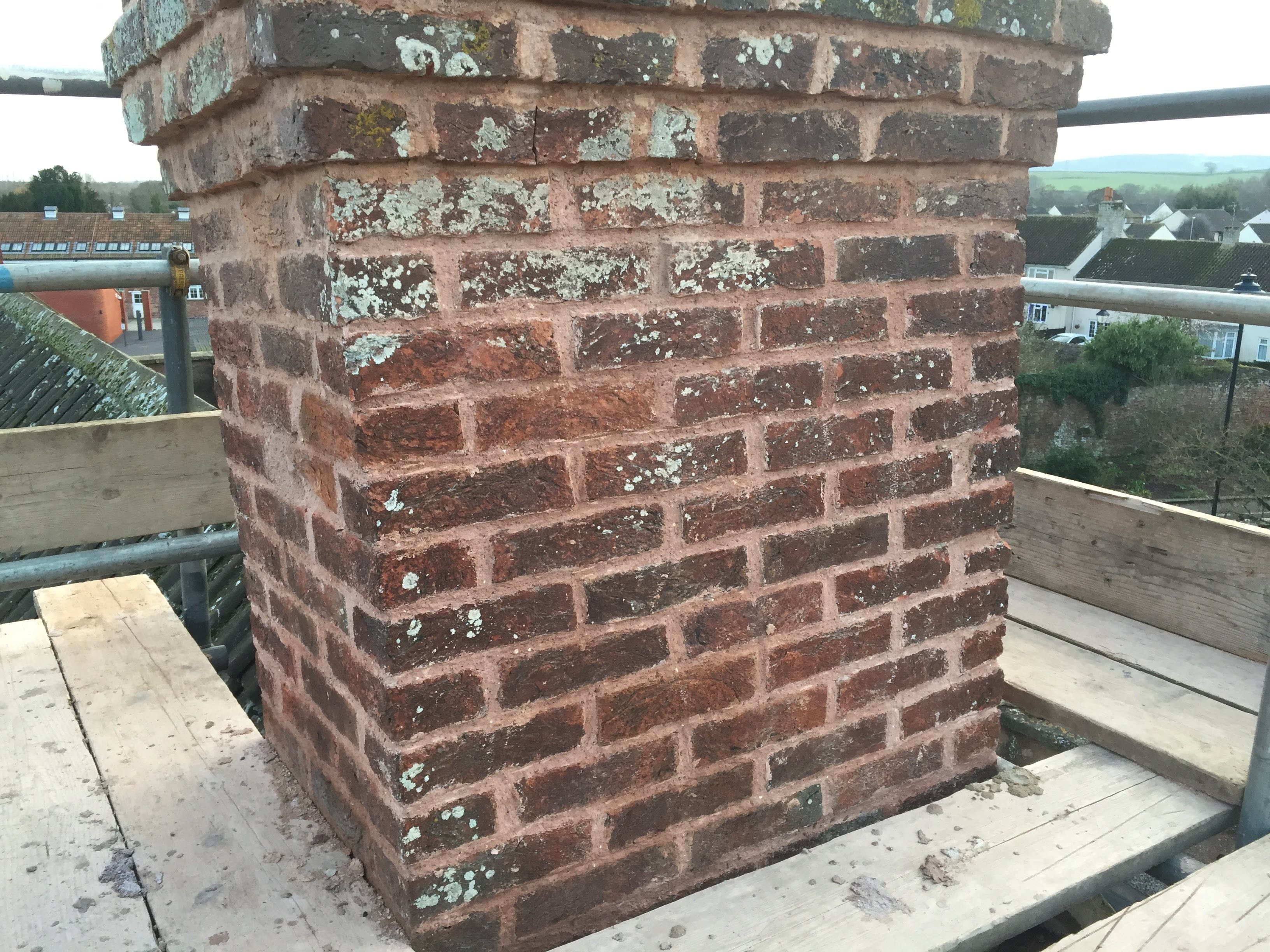
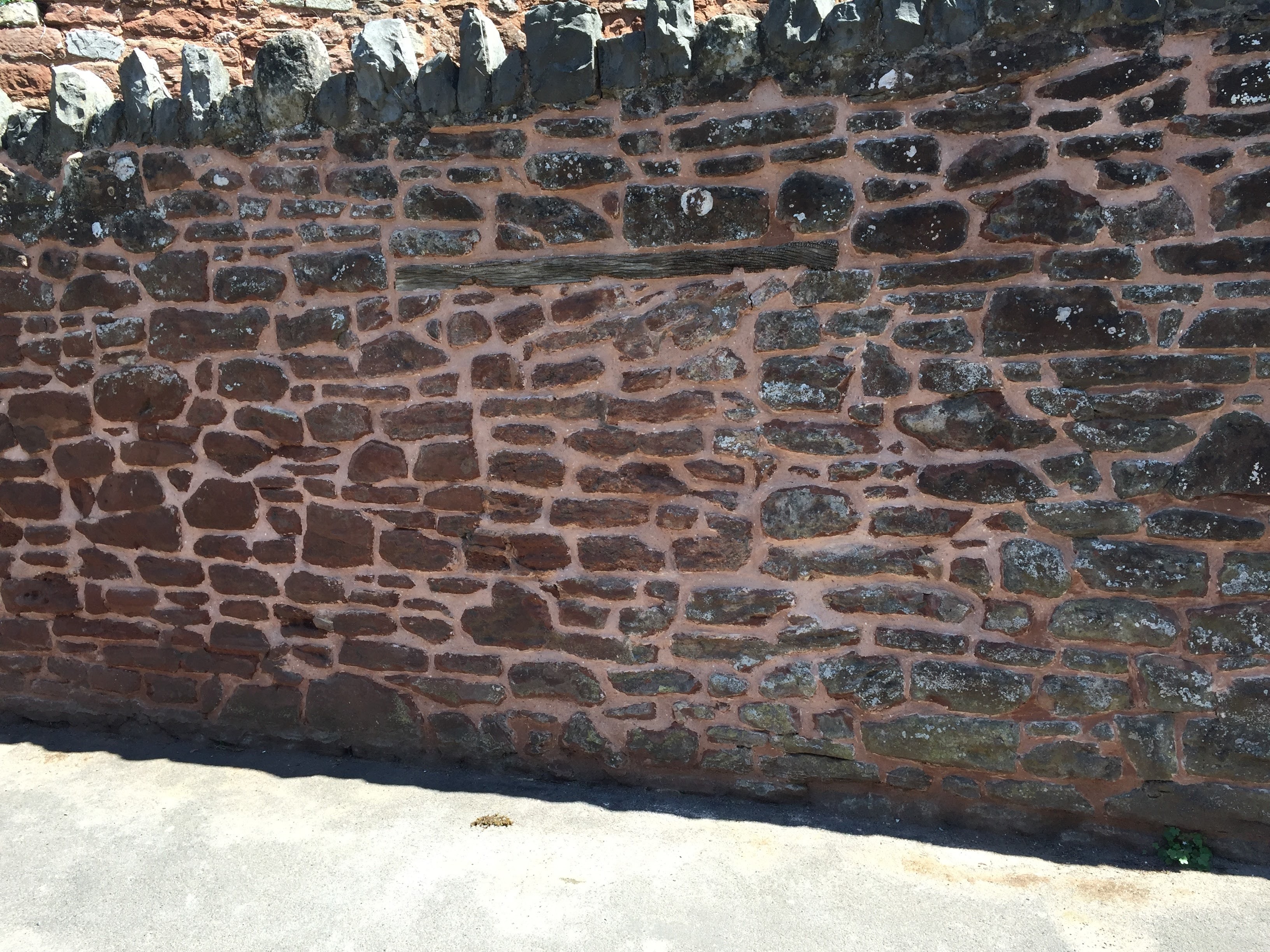
Full repointing of historic stone walls using traditional hot lime or hydraulic lime mortars, matched precisely to the original in composition, colour and texture.
Mortar Analysis & Matching
Laboratory analysis of original mortar samples to determine the correct lime binder, aggregate type and mix proportions for a perfectly sympathetic replacement.
Careful Raking Out
All failed mortar is removed by hand using traditional tools — never angle grinders or power tools — to avoid any damage to the arrises and faces of adjacent stonework.
Listed Building Repointing
Expert guidance through the listed building consent process, with full specification documentation and liaison with conservation officers and heritage bodies.
Consolidation & Crack Repair
Stabilisation of failing masonry joints, crack stitching and consolidation of loose or friable stonework using approved lime-based grouts and mortars.
Weathering & Joint Profiles
Joints finished to appropriate historic profiles — flush, slightly recessed or weather-struck — to naturally shed water and resist long-term weathering.
Why Lime Mortar
The Case for Traditional Lime
Lime mortar has been used in British masonry for over two thousand years. Its properties are uniquely suited to historic buildings — and no modern substitute comes close.
Breathable & Moisture-Permeable
Lime mortar allows moisture to pass through the wall and evaporate naturally, preventing the damp build-up and internal condensation that cement causes.
Softer Than the Stone
Lime is always softer than the masonry it bonds. This means any movement or stress is absorbed by the mortar joint — not the stone — protecting the irreplaceable fabric.
Self-Healing Properties
Lime mortar has a unique ability to re-carbonate and partially self-heal hairline cracks over time, extending the life of the joint without intervention.
Reversible & Repairable
Unlike cement, lime mortar can be cleanly removed and replaced without damaging the stonework — essential for listed buildings and long-term conservation.
Authentic Appearance
Correctly matched lime mortar is virtually indistinguishable from the original, preserving the historic character and visual integrity of the building.
Approved by Heritage Bodies
Lime mortar repointing is the only method approved by Historic England, the Society for the Protection of Ancient Buildings and all major conservation bodies.
How We Work
Our Repointing Process
Every repointing project follows a rigorous, methodical process developed over decades of working with historic masonry.
Site Survey & Assessment
We carry out a thorough condition survey of the existing pointing, identifying areas of failure, assessing mortar composition and documenting the extent of works required.
Mortar Analysis
Original mortar samples are analysed to determine binder type, aggregate grading and mix proportions, ensuring the replacement mortar is a true match.
Careful Raking Out
Failed mortar is removed by hand to a minimum depth of 25mm using chisels and raking tools. No power tools are used near the stone faces.
Preparation & Dampening
Joints are thoroughly cleaned, blown out and dampened down to ensure the new mortar achieves a proper bond without being drawn dry too quickly.
Lime Mortar Application
New mortar is applied in layers, worked well into the joint and finished to the appropriate historic profile. Joints are protected from frost and rapid drying during curing.
Our Work
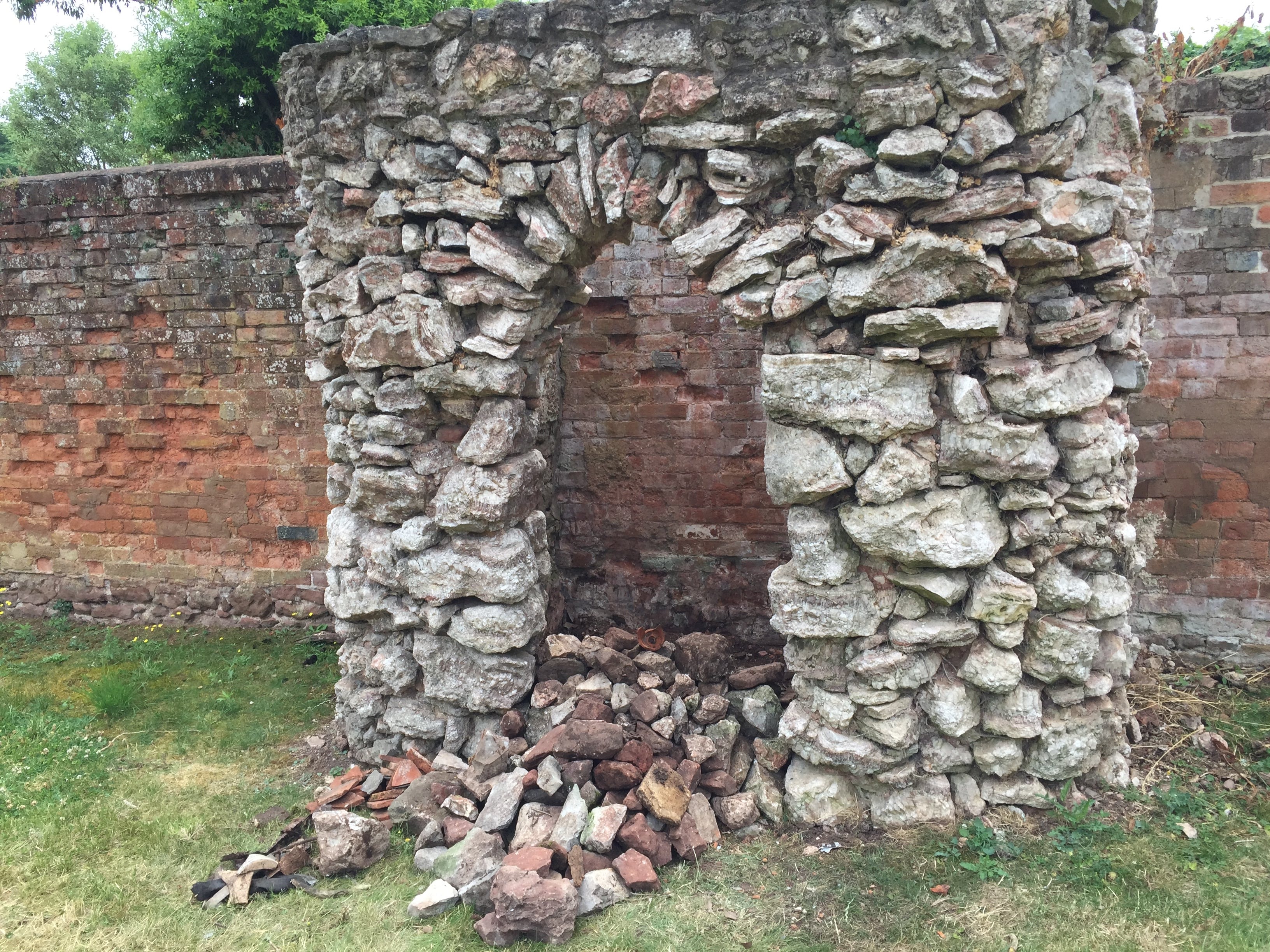
Stone Pointing Portfolio
Protect Your Historic Masonry
Incorrect pointing causes irreversible damage. Contact St Blaise today for expert advice and a free, no-obligation site assessment.